How-To Guides · DIY & home
How to Keep Pipes From Freezing (and Thaw Them Safely)
When water freezes, it expands, and that can split a pipe. A burst pipe can flood a home in minutes. Here's how to keep your pipes from freezing on the coldest nights, and what to do if they freeze anyway.
1. Tip 1: Open The Cabinet Doors
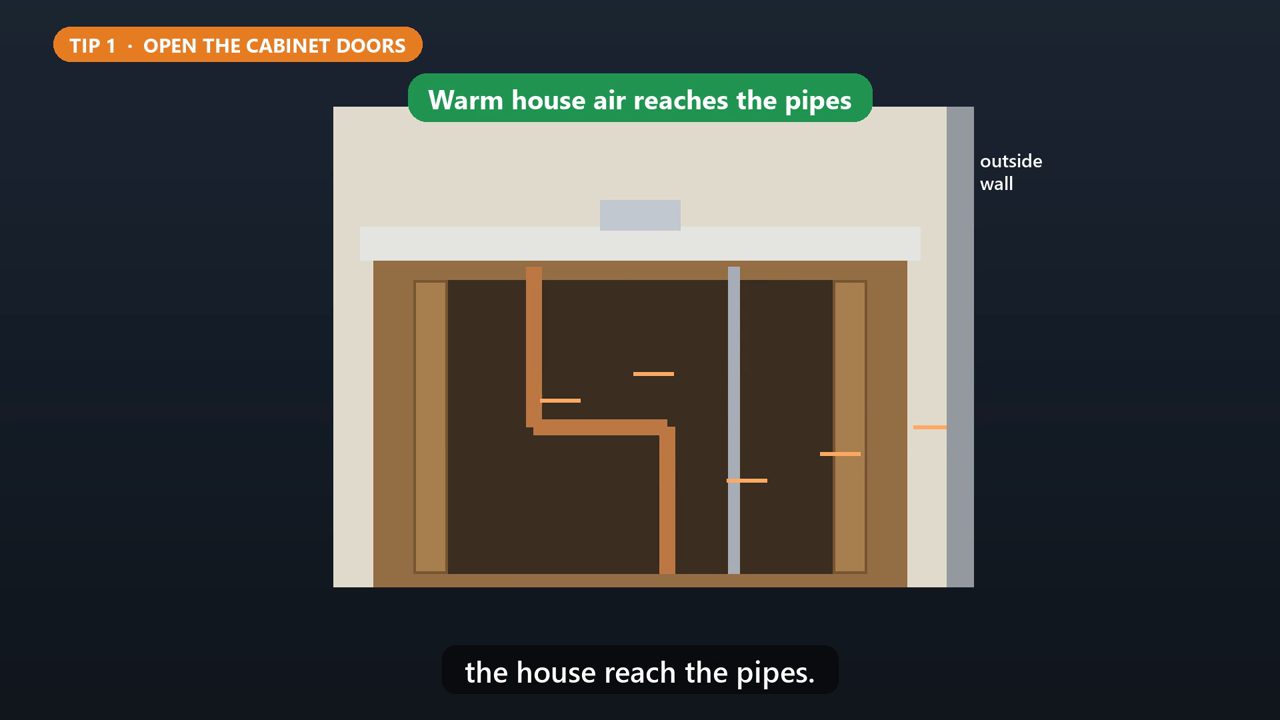
Open the cabinet doors under the kitchen and bathroom sinks, especially on outside walls. That lets the warm air in the house reach the pipes.
2. Tip 2: Let It Drip
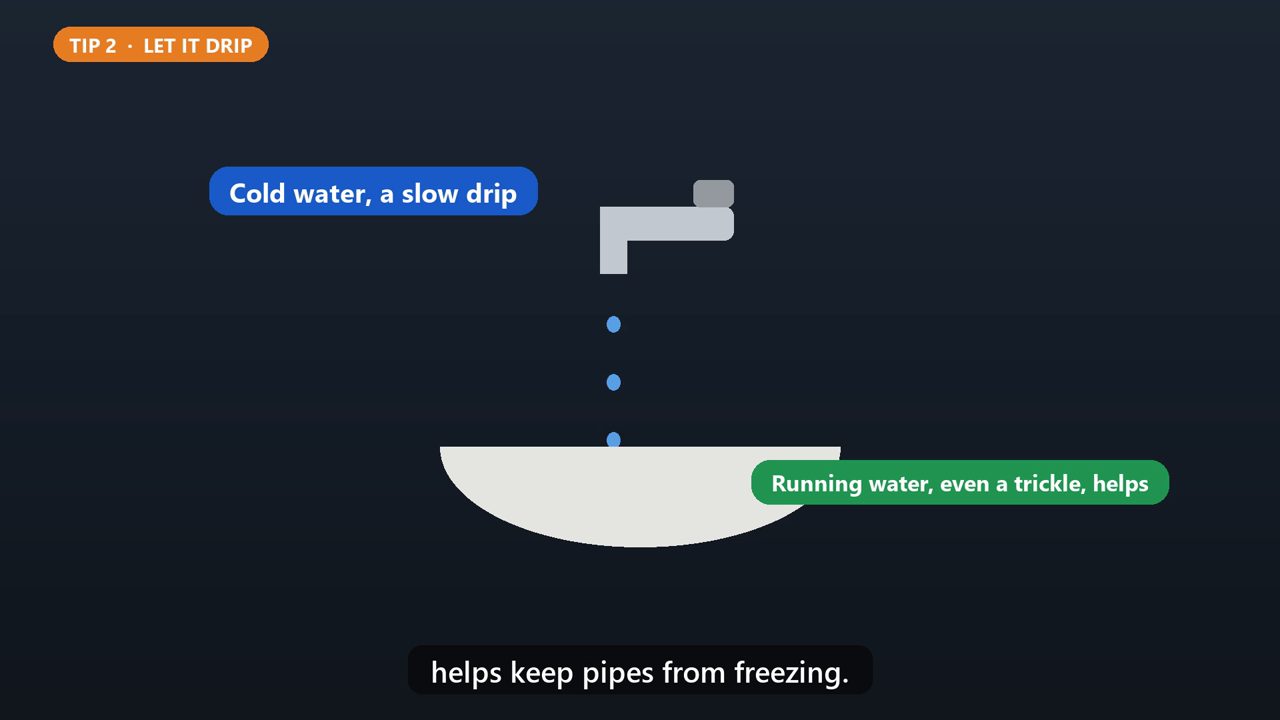
On very cold nights, let the cold water drip from faucets with pipes on outside walls. The Red Cross says running water, even at a trickle, helps keep pipes from freezing.
3. Tip 3: Steady Heat, Day And Night
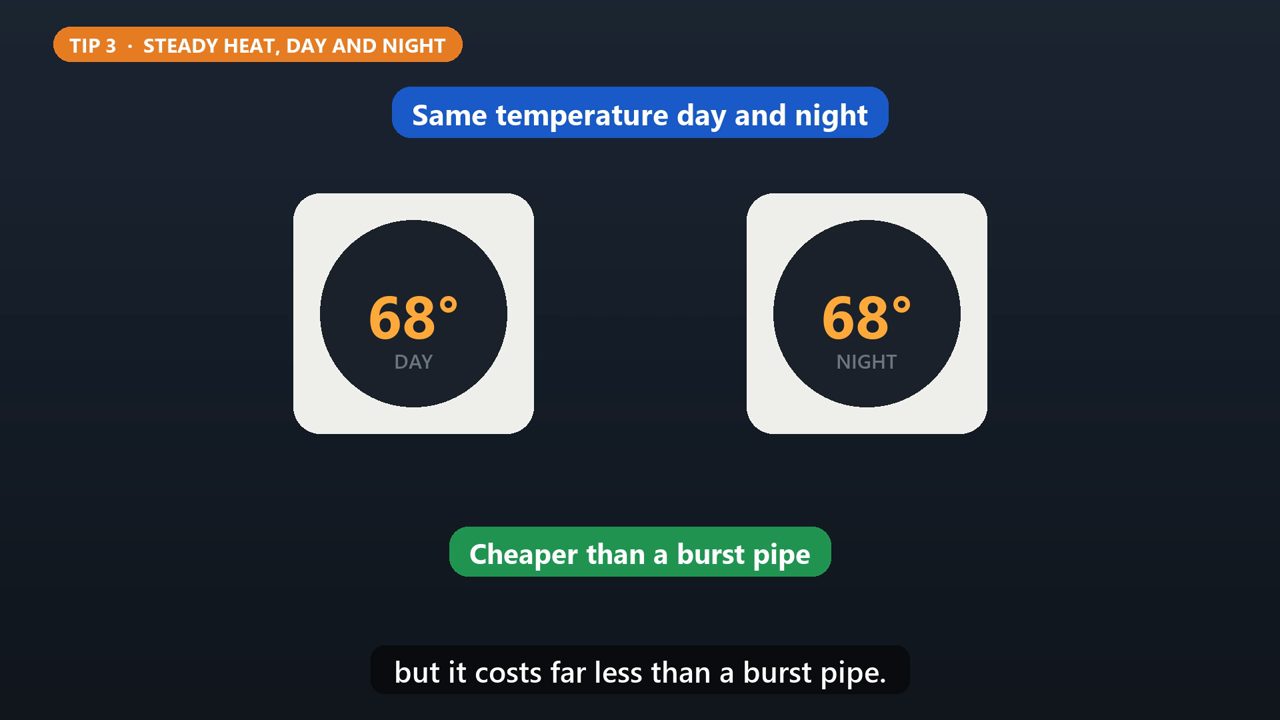
Keep the thermostat at the same temperature day and night, instead of turning it way down. Your heating bill might be a little higher, but it costs far less than a burst pipe.
4. Tip 4: Outside
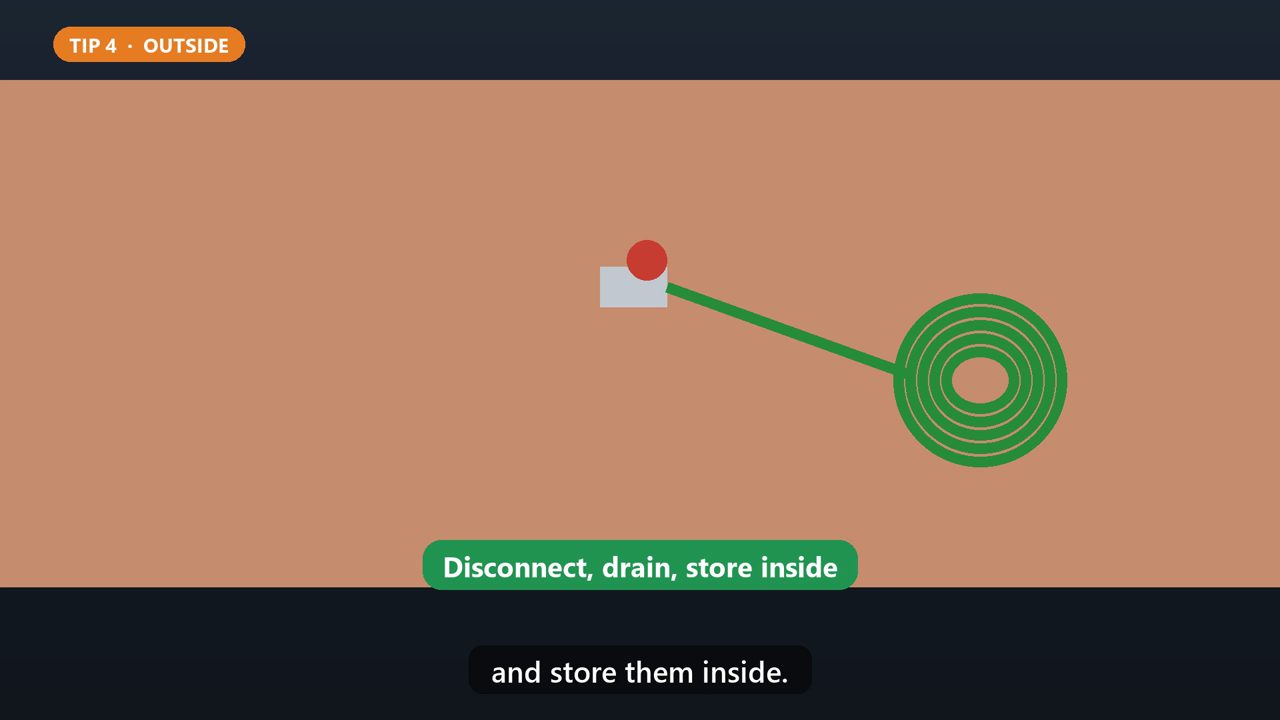
Before the first hard freeze, disconnect your garden hoses, drain them, and store them inside.
5. If A Pipe Freezes
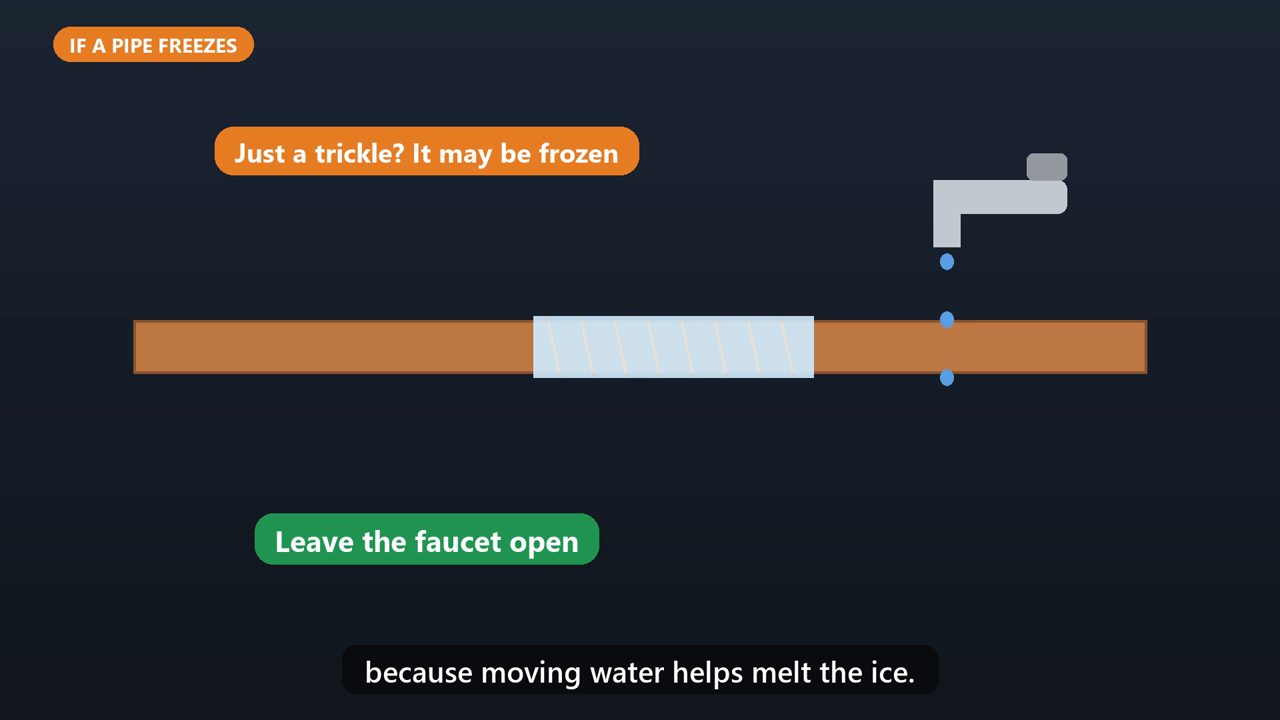
Turn on a faucet and only a trickle comes out? A pipe may be frozen. Leave that faucet open, because moving water helps melt the ice.
6. Thaw It Gently
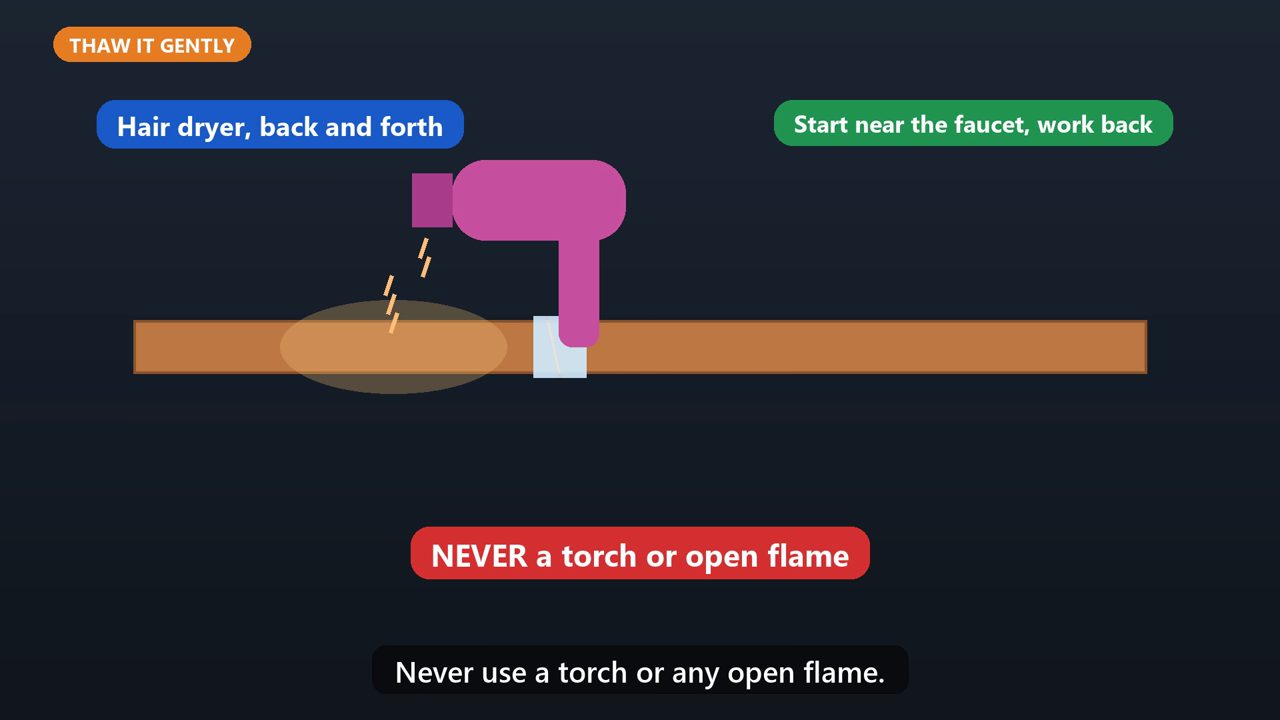
Warm the pipe with a hair dryer, moving it back and forth, or wrap it in a heating pad or warm towels. Start near the faucet, and work back toward the cold spot. Never use a torch or any open flame.
7. If It Bursts
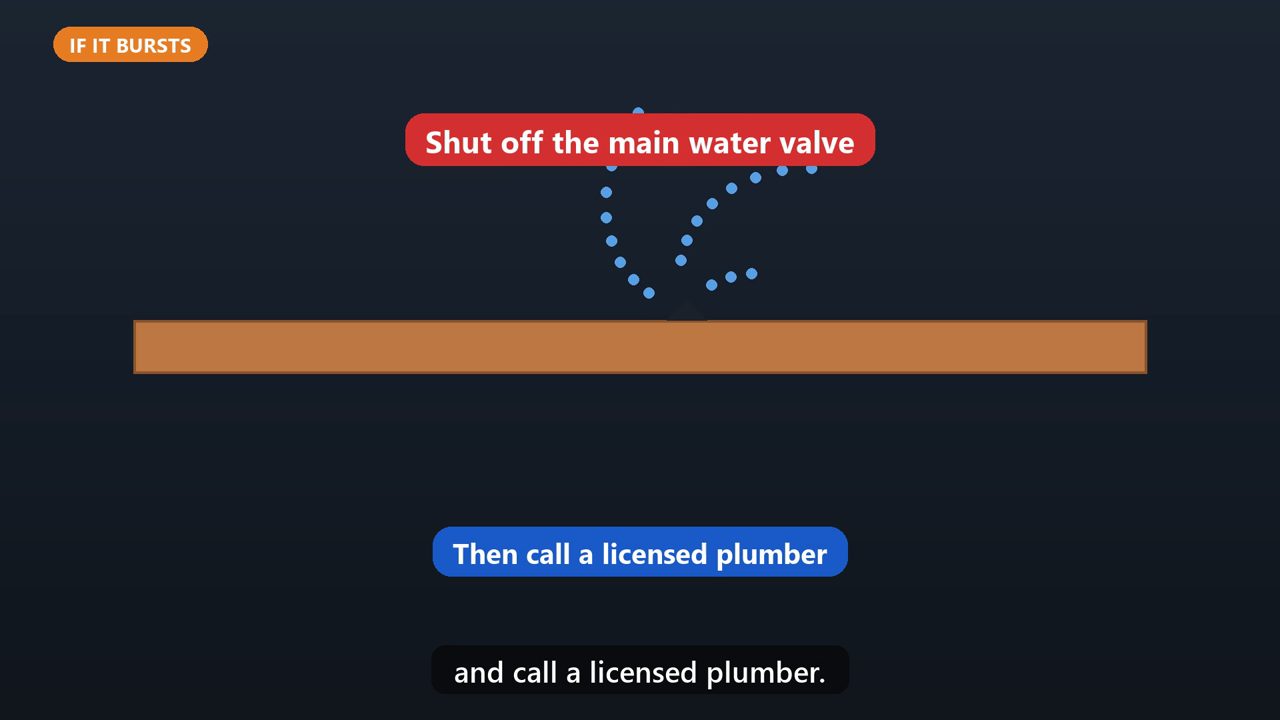
If you can't find the frozen spot, or a pipe has already burst, shut off your main water valve right away, and call a licensed plumber.
Tools that make this easier
Simple Google Sheets + Excel tools from WiscHaven. Buy once, no subscription.




Checked against the official sources above. Steps can change as apps update - tell us if something looks different: wischavenindustries@gmail.com